Scientific
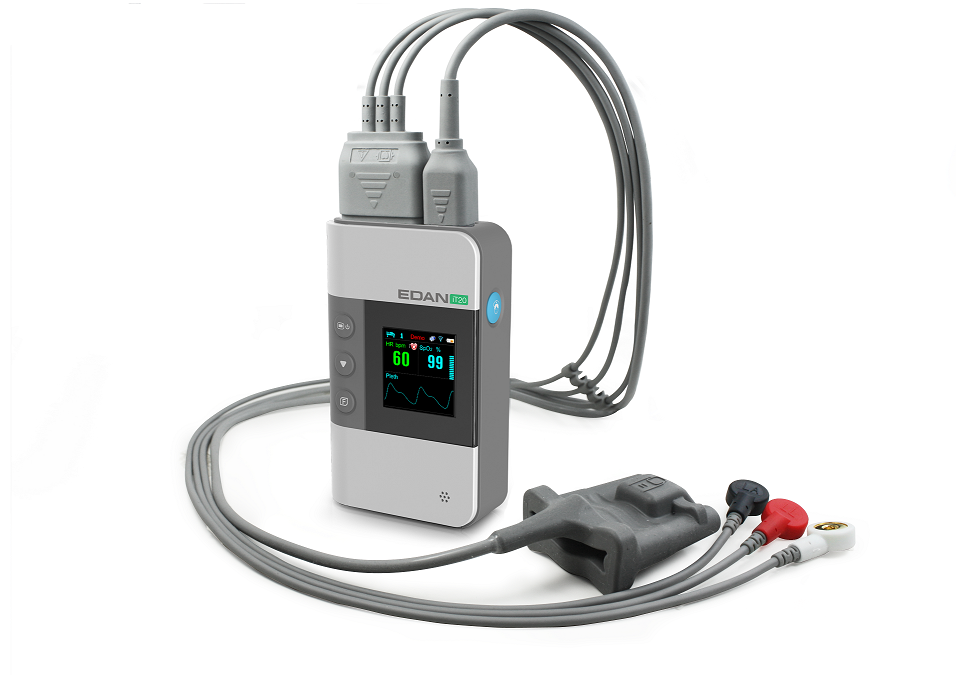
Gives Faster Alerts
A patient who is wearing a monitor either at home or at the hospital allows medical professionals to know right away if there is a potential problem because the unit will alert them instantly. This allows the patient to receive intervention more quickly.
Has a Modern Design for More Patient Freedom
Today’s mobile cardiac telemonitoring machines allow patients who have been cleared by their doctor to move and walk around while in the hospital. They also allow patients to return home and continue to be monitored, significantly improving their quality of life.
Allows for Earlier Diagnosis
Because of the continuous monitoring that telemetry offers, all symptoms, even those that are less frequent, are recorded. This allows for the early detection of problems, which can result in the patient receiving treatment before a condition worsens.
The Right Equipment Will Save Money
Whether you’re a medical facility needing to keep its costs low or an individual who wants the benefits of telemetry at home, it’s important to choose the right equipment. Telemetry systems that are durable and high-quality will ensure you always get accurate results.
All of the products sold at Medical Device Depot are only of the best quality. Our experienced representatives can help you get the right equipment for your needs, and we also offer you the best price. Call today to learn more: 1-877-646-3300.
What Does Telemetry Do?
Telemetry is defined as the process of recording and transmitting an instrument’s readings. Medical professionals use telemetry to monitor the electrical signals emitted by a patient’s heart and recorded by the unit. Here’s more about what telemetry does and why it’s important for medical practitioners and healthcare facilities to offer this option.
Monitors Heart Health in Real-Time
Telemetry monitoring units produce a series of recordings for the duration they are worn by the patient in or out of the hospital, which is between 24 to 72 hours. Once monitoring is finished, all of these recordings are studied to determine whether a patient has a problem with the way their heart beats.
Allows for Increased Accuracy of Diagnosis
The readings emitted by the telemetry monitoring unit can offer specialists more information about the accompanying symptoms a patient is experiencing. This allows for a more accurate diagnosis of underlying conditions.
Where a patient’s existing condition has changed, telemetry monitoring can provide information about the effects of this change on their heart.
Aids in Planning Medications and Treatments
With the information that the telemetry machine provides them, all members of a healthcare team can be in a better position to be able to prescribe or adjust medications or recommend treatments while the patient is still in the hospital.
No Wasted Resources
False alarms or those which are clinically insignificant can quickly add up in terms of the costs to operate a medical facility. When telemetry technicians are present, results can be more accurately and more quickly interpreted and any changes immediately recognized. This ensures that only true emergencies receive the necessary resources.
What Are Laryngoscopes and How Are They Useful in the Operating Room?
When it’s necessary to view the larynx, laryngoscopes are one of the most useful tools to have in the operating room. Here’s what makes the laryngoscope a key instrument for surgeons working in any medical office, hospital, or ambulatory surgery center.
As a Diagnostic Tool
When a patient is experiencing symptoms associated with the larynx, glottis, or vocal cords, the laryngoscope can help a surgeon see the main and other causes of symptoms in the operating room. Common issues that can benefit from viewing with a laryngoscopy include but are not limited to:
- Throat injury
- Weakness, hoarseness, or loss of voice
- Signs of cancer in the larynx
- Swallowing difficulties
- Unexplained ear or throat pain
The device can be of great assistance to a surgeon, allowing them to decide on or alter the course of surgery in real-time.
To Facilitate Repair
When cardiopulmonary resuscitation has resulted in injury to the larynx and its surrounding structures, the laryngoscope is instrumental for surgeons, as it allows them to see where damage has occurred and illuminates the area, making it easier for a surgeon to know where attention is needed.
When a patient has something stuck in their throat, a laryngoscope can help a surgeon to see and remove the obstruction. The device is also incredibly useful when it’s necessary to take tissue samples during surgery for further analysis.
Conventional and Video Laryngoscopes
The conventional laryngoscope is used during surgeries where patients must be placed under anesthesia. The use of this device requires a specialized technique and awareness of potential complications.
Video laryngoscopes were developed out of a need for an adequate view of the larynx and trachea. These devices can provide an alternative to conventional laryngoscopes and provide the doctor or surgeon with a clear view of the patient’s larynx using an anti-fog lens connected to a video screen.
The fiber optic laryngoscope allows for state-of-the-art illumination by using fiber optic bundles to transfer light to the examination or surgical area. Video devices are incredibly useful in operating rooms, allowing surgeons to obtain a clear and accurate view of the part of the throat being concentrated on.
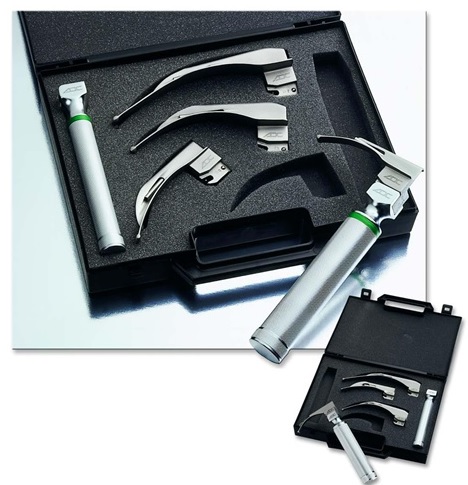
Quality Matters
Regardless whether performing a laryngoscopy using manual or video-enabled tools, quality is absolutely essential. Welch Allyn continues to manufacture both standard and fiber-optic laryngoscope sets and accessories. Their company’s offerings allow surgeons to ensure safe and efficient surgeries with high blade integrity and the option to upgrade to fiber optic products.
ADC’s fiber-optic laryngoscopes provide medical professionals with the durability and excellent performance required for medical procedures and diagnoses. Their products are lightweight and allow for full compatibility with all major laryngoscope brands.
Where to Find the Best Laryngoscopes
All of the Welch Allyn and ADC laryngoscopes sold by Medical Device Depot are of the highest quality, and our warranties offer peace of mind to medical professionals and patients. Purchase our laryngoscopes online, or call 1-877-646-3300 for more information about our other medical devices.
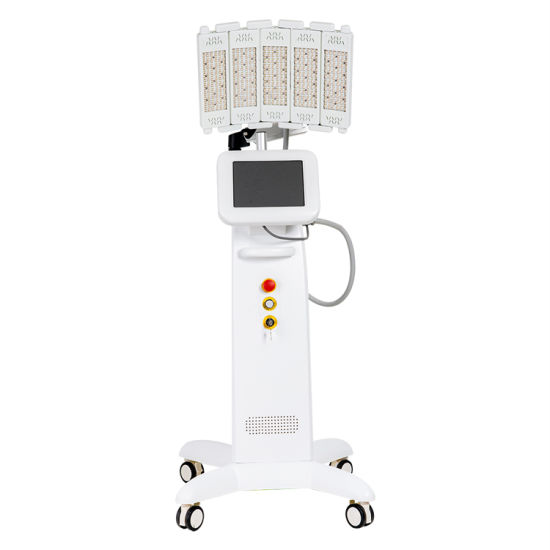
Consistency Is Key
Whether having phototherapy in a doctor’s office or at home, consistency is the key to successful treatment. Most types of phototherapy require two or three weekly treatments for anywhere from two to four months or more. The length of time needed for treatment will depend on the:
- Condition being treated
- Severity of the condition
- Skin type
- Type of phototherapy treatment
It may take several treatments before you see improvement in your skin. Some see results after six weeks; others may require two months or more for results to be evident.
Common Side Effects
The process of phototherapy can produce many of the same effects you experience when out in the sun for too long. Burns, changes in skin color, blisters, and redness are all common side effects of this treatment.
Medical facilities and individual patients alike can reap the many benefits of phototherapy, but only top-quality phototherapy equipment can offer the best chances of successful treatment. At Medical Device Depot, we offer long-term warranties and a price-beating pledge on all of the reliable products we sell. You can learn more by visiting us online or calling 1-877-646-3300.
Benefits of Using Phototherapy
Those with vitiligo, eczema, and other skin diseases often choose phototherapy. The treatment, which exposes the skin briefly to a particular wavelength of UV light, has also been used successfully in the treatment of other conditions. Read on for the types of phototherapy and the benefits of this treatment.
Types of Phototherapy
There are three main types of light used in phototherapy. These are PUVA, narrowband UVB, and broadband UVB. PUVA is short for psoralen ultraviolet. PUVA combines UVA light and psoralen, a chemical that is found in plants to treat psoriasis and cutaneous T cell lymphoma.
Narrowband phototherapy uses UV light of a specific wavelength identified as being most beneficial in the treatment of psoriasis and several other skin conditions. Broadband UVB was used to treat psoriasis and is beneficial for treating eczema, although only under certain circumstances.
Non-Invasive
Other methods of treating skin conditions like acne can be painful, but phototherapy allows light to penetrate the cell walls of skin to destroy this bacteria without any piercing or other invasive procedures.
Drug-Free
There are several options for treating skin conditions, depression, and sleep disorders with pharmaceutical drugs. Phototherapy offers a more natural option for those who prefer drug-free treatment.
At-Home Option
Treatment at a doctor’s office may be cost-prohibitive or there may be other reasons why at-home treatment is preferred. Regardless of the reason, phototherapy units provide an option for those who want to self-treat at home.
Safe
Phototherapy is safe because the amount of light applied to the skin can be controlled and the effects of the treatment monitored. Professionals can adjust the frequency, intensity, and amount of light easily.
Effective
Overall, treatment with Bistos phototherapy lamps has been used effectively for a high percentage of patients who elect to undergo it.